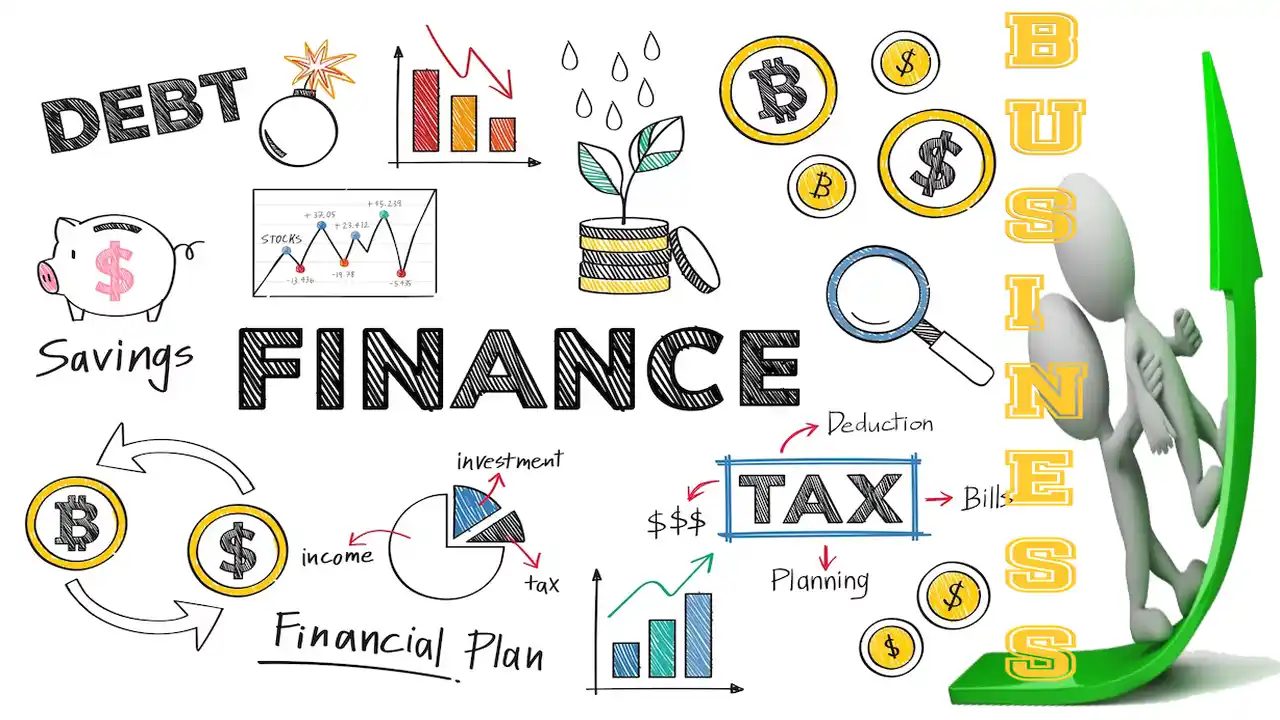
Time is one of the most precious commodities that people who are good at planning their investments know. The potential of compound interest can be more effectively harnessed if you start planning ahead of time. Anyone who wishes to maximize the return on their hard-earned money can benefit from an investment plan; it isn’t just for the rich. Basically, it doesn’t matter how much money you have; there are ways to improve your financial situation. We will go over the investment planning in detail in this article.
In order to secure one’s financial future, it is essential to make investment strategies. It is critical to save money, but it is even more important to invest that money correctly so that it works for you. Making sure you have a good plan for investing is a good place to start when building financial stability. In this way, you can realize your ambitions and realize your aspirations.
Meaning of Investment Planning
This is a method and approach to money management called “investment planning.” The process includes figuring out what you want out of life financially, taking stock of where you are financially, deciding on the best ways to invest and divide up your assets, and finally, making a strategy to get there. In order to develop a comprehensive financial plan, it is common practice to first ascertain your tolerance for risk, time constraints, and tax circumstances.
Building wealth, accomplishing financial objectives, and laying the groundwork for sustained financial success are the three main tenets of investment planning. To get there, they diversify their holdings among several types of assets, such as stocks, bonds, real estate, and more.
Investment Planning Examples
Building a diversified portfolio for retirement Retirement savings strategies like building a diverse portfolio are well-known examples of financial planning. Take the hypothetical example of a 35-year-old who plans to retire in style when they are 65. They may employ a wide variety of assets in their investing plan, including stocks, bonds, real estate, and retirement funds like 401(k)s and IRAs. They want to achieve a good balance between risk and return by investing in a variety of asset classes.
At first, individuals might be more inclined to put their money into riskier investments like stocks because they think their value would rise more quickly. People may shift their attention to more secure assets when retirement draws near, though, so that they can keep their money safe. Additionally, the investment plan would specify the frequency of regular payments, the frequency of portfolio rebalancing, and the frequency of evaluation to confirm that the portfolio is still aligned with retirement objectives.
How Investment Planning Works
Arranging finances involves a thorough process. Setting clear, quantifiable financial goals is the initial step in considering investments. Short-term goals, like buying a house, differ from long-term goals, such as saving for retirement, influencing investment decisions. Think about how much risk you are willing to take before making any investments. This relates to how well you can and are willing to handle situations where the value of different assets fluctuates. Your strategy needs to take into consideration your risk tolerance, since different solutions come with different levels of hazard.
There is no end to the process of investment planning. Review your portfolio’s performance on a regular basis and make adjustments as needed. Depending on the direction the market takes, your investments can end up in a different asset allocation than you had planned. In such a case, rebalancing the portfolio is necessary to keep the risk-return profile as intended. An integral part of investment planning is thinking about how your investments will affect your taxes. With the right planning, you can reduce your taxable income and increase your after-tax gains.
If you want to make sure your investment plan is still helping you reach your goals and is risk-appropriate, you should review it often. You should adjust your strategy to account for life’s unexpected twists and turns. For financial success, stay flexible, be methodical, and regularly analyze your situation when planning investments to secure your future.
Top Benefits of Investment Planning
Investment planning is a methodical approach to managing one’s finances that provides numerous advantages to individuals who employ it. You may succeed or fail in reaching your financial goals depending on how well you design your business. Saving is beneficial, whether for retirement, college, or wealth-building, ensuring financial security and achieving diverse financial goals.
Risk Mitigation
Essential parts of any well-planned project are the risk assessment and management processes. You may lessen the blow of market fluctuations and individual investment risks by spreading your money around across several asset classes and keeping a close eye on your portfolio.
For the sake of argument, let’s say your investment portfolio includes stocks and bonds. You might find that your bond holdings provide you with enough security to weather a stock market downturn without suffering a catastrophic loss.
Financial Security
An important part of getting your financial house in order is making a plan for your assets. You can use it as a framework to plan for the unexpected, whether that’s health problems, losing your job, or a general economic slump. You may ease your worries and feel more secure about the future with a well-planned financial strategy.
An example of this would be to include an emergency fund in your investment plan so that you have some additional cash on hand in case you incur expenses that you weren’t expecting. By doing so, you can keep your money and not have to use them when times go tough.
Wealth Accumulation
Achieving financial independence is a key benefit of sound financial planning. You can increase your chances of long-term success by prudently investing in a wide range of asset classes. Leaving your investments in the market for a longer duration could lead you to believe that they will increase more.
Think about a 25-year-old who decides to start investing $500/month in a variety of assets, including bonds and equities. A diverse collection is the goal of this individual. By the time people reach the age of 65, they can have amassed a considerable fortune thanks to the compounding effect of their savings.
Tax Efficiency
Methods for lowering your taxable income are also a part of investment planning. Utilizing tax-advantaged accounts and maximizing your assets can lower your overall tax liability, allowing you to retain a larger portion of your investment returns.
Contributions to a 401(k) plan, for instance, can lower your taxable income. Because of this, you may be able to save more money for retirement and pay less in taxes altogether.
Goal Achievement
You may establish definite monetary objectives and strive persistently to attain them when you organize your investments. If you put some careful planning into your investments, you can realize many ambitions, like buying a house, donating to your child’s school, or going on that dream vacation.
An investment plan can assist you in making the right investment decisions at the right risk level if you have a specific goal in mind, like saving enough to buy a house in the next five years.
FAQ
What is the Role of Risk Tolerance in Investment Planning?
The distribution of your investments is influenced by your risk tolerance. Some investors may put more money into high-risk ventures because they are more daring and adventurous. An essential part of investment planning is determining an individual’s or investor’s risk tolerance, which in turn allows them to choose the right mix of assets and investments.
How can i Start Investing with a Limited Budget?
Starting to invest even with a small budget is not only doable, but also financially wise. One option is to use micro-investment applications or purchase fractional shares if one just has a few hundred dollars to invest.
What is the Minimum Investment Horizon for Effective Investment Planning?
Allow yourself at least five to 10 years, and preferably more, when investing for the long haul. The minimum investment term for planning varies based on your financial goals and intended investments.
COOH
Final Words
Investment planning fosters frugality, instilling good money habits that pave the way for long-term wealth accumulation. Investment planning might help people in economies that aren’t stable have a better grip on their money. Because of this, they are able to prepare for the unexpected. Having your money handled by competent experts allows you to relax and live life to the fullest, which is why making wise investment decisions is about more than just making more money. I appreciate you reading the investment planning guide. Visit the website to learn more and expand your knowledge with other helpful resources. Read this detailed white paper to gain a more comprehensive understanding of financial risk management subject.