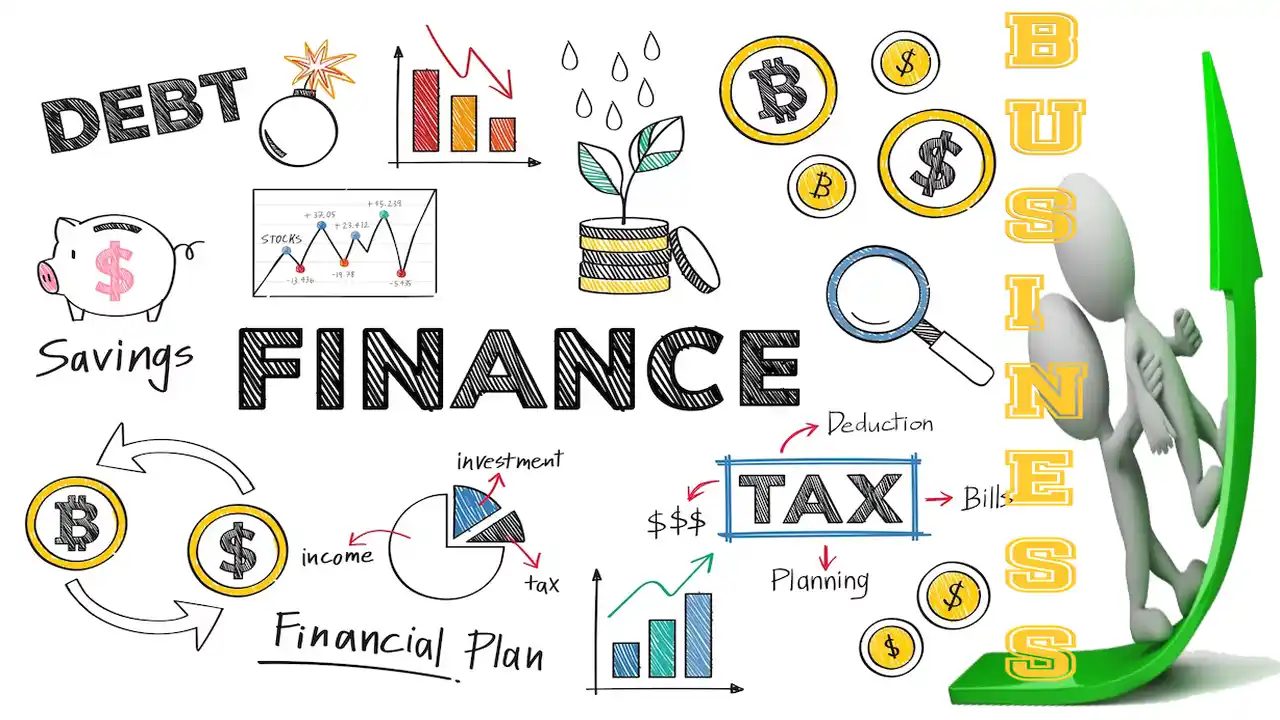
Maintaining tabs on monetary and non-monetary assets is a must for any career in finance. The events that transpired are easily discernible. Those in charge of the budget need to be aware of the total amount of money that will be “tied up” in different types of assets that do not include cash, sometimes called “non-liquid assets.” You can’t foresee or prepare for the essential financial needs without information. It emerges that a basic stage for sound financial management is to develop trustworthy criteria for asset management. We’ll look at the scope of finance function and talk about the related topics in this area.
People who decide how to raise money are the ones who make financial decisions. When choosing an investment, people make an investment judgment. It is important to remember that decisions about payout policy are long-term financial decisions that are based on the company’s production. Partners receive dividends—payments generated from the company’s profits—due to their involvement in running the business.
Scope of Finance Function
Whether a business is a private entity, a partnership, or a corporation dictates the sort of financial structure that will be employed. Depending on the size and nature of the company, finance takes on varying degrees of significance. To minimize misunderstandings or disagreements on the work, it is essential to know exactly what each finance officer is accountable for.Notably absent are You can use the scope of finance function list below for research and educational purposes.
Choose the Right Capital Structure
The term “capital structure” refers to the variety of securities used for capital raising. After determining the required funds, the next step is selecting stocks for sale. Long-term loans can finance fixed asset purchases, but equity funding may be preferable in extended situations. A substantial reserve should be established for future needs. While long-term financing covers most working capital expenses, overdrafts and cash creditors may fall short for operational demands. When selecting funding sources, organizations should consider the cost of acquiring funds and their sustainability during challenging financial times.
Investment Strategy
Predicting the short- and long-term cash needs of one’s organization is an essential initial step for any financial management. He plans to achieve this goal by creating a long-term financial plan that takes into account both his current and future needs. Knowing the available funds is crucial for buying fixed assets and redistributing working capital. Making sure there aren’t too few or too many funds involved necessitates that the estimates be based on solid financial concepts. The company’s day-to-day operations will suffer if the funds are either too little or too much. On the flip side, management may be tempted to overspend or take unnecessary risks if they have an abundance of funds.
Earnings Split Determination
Decisions about the distribution of earnings to shareholders, retention of some profits, or distribution of some profits to shareholders while retention of some remains with the individual responsible for the firm’s accounting. Other contributors, such as preferred shareholders and lenders, also deserve a cut of the profits. Creditors, preferred shareholders, and debt providers are all types of lenders. The stock’s value might be affected by the company’s dividend policy. The onus for finding the optimal dividend distribution ratio to optimize the company’s worth thus falls on the financial manager.
Determining Liquidity
The ability of a business to pay its short-term obligations as they come due is what we mean when we talk about its liquidity. Current asset management is another name for this kind of leadership. A company’s liquidity, risk tolerance, and capacity to generate revenue are all impacted by investments in current assets. The quantity of current assets a corporation possesses is proportional to its liquidity. Based on this, we may say that the company’s chances of going bankrupt are lower. But the business will make less money with existing assets as they don’t bring in any money. The inverse, however, is true and will transpire. Finding the sweet spot between under-and over-investment in current assets is the job of the financial manager.
Investment Pattern Selection
The company will make a decision on the business strategy after raising the necessary funds. The choice of an investment plan is contingent on how funds are spent. Identifying which assets to acquire requires prompt action. The payment for fixed assets takes precedence, followed by reserving a substantial portion of the funds for working capital. Capital Budgeting, Opportunity Cost Analysis, and similar decision-making procedures for estimating the cost of capital asset acquisitions are all part of this. Be careful not to lose track of liquidity, profitability, and security when dealing with different types of assets. We must find a middle ground between these divergent perspectives.
Choice of Funding Mechanism
The next step, after establishing the capital structure, is to choose a reliable finance source. Public funds, banks, share capital, debentures, and other sources can all contribute financially. Financial entities such as banks and public deposits might be suitable for short-term lending. Share capital and debentures are two options to consider when you need a loan with a longer repayment duration. Public deposits are an option for organizations that would prefer not to utilize their assets as collateral when seeking funding. The suggestion is to issue debentures instead of shares if the management is concerned about losing a significant amount of ownership.
Decisions on Financing
A company’s funding choice is the one that determines how the company will pay for its projects. Finding the precise debt-to-stock ratio is the job of the finance manager. Both the cost of borrowing and the level of financial risk are impacted by a company’s debt-to-equity ratio. Here, we’ll go into more detail on the risk-return trade-off.
Setting Long-Term Asset Mix
How much money to put toward different company projects is the subject of these choices, which are sometimes called capital budgeting decisions. The decision to invest in fixed assets with present cash rather than wait for cash flows from those projects is at the heart of these issues. When evaluating investment prospects, one considers both the risk and the potential reward. Financial decisions also involve reinvesting in older and less effective assets, a process known as a “replacement decision.” The scope of finance function encompasses the comprehensive range of responsibilities related to financial management within an organization.
FAQ
Why is the Field of Finance Important?
To put it simply, finance is the study of monetary transactions, including lending and borrowing, investing, getting cash, and trading securities. The idea behind these projects is to provide people and companies a chance to put money into certain endeavors with the promise of future repayment based on the success of those endeavors.
What is the Relationship between Finance and other Departments?
The company’s survival depends on raising capital; without it, it might not be able to continue operations. All this is taking into account the company’s primary objective. You can do a lot more with the money you have when you can rent or buy property, buy supplies, pay employees, and advertise your firm.
In Today’s World, how does the Idea of Finance Work?
Presently, one approach to the company’s profit worries is to examine them analytically. Taking in money and putting it to other purposes are both part of the finance function, in this view.
Final Words
In-depth knowledge of financial functions and their context is essential for effectively planning and adapting to change. This information proves valuable for managers seeking to enhance the efficiency of their finance departments. To achieve this objective, an honest assessment of the department’s capacity for performance improvement is crucial, recognizing that other areas may handle related tasks equally well. The study also aims to elucidate the relationships between tasks performed by financial personnel and the challenges and conflicts they encounter. Through the framework, our understanding of finance-related responsibilities continues to expand. We now comprehend the impact of the scope of finance functions on society, individuals, and organizations, acknowledging both positive and negative consequences. Read on for an in-depth analysis of the role of finance department topic.