There are many different reasons why companies distribute shares. To get their doors out and running, most businesses need capital. People typically buy and sell these two types of stocks. An IPO is the process through which a business publicly offers its shares for the first time. After completing the IPO, the company places the shares on the stock exchange. The stock exchange is open to anybody interested in buying or selling stocks. The disadvantages of stocks will be covered in-depth in this article, along with some examples for your convenience.
You can make a lot of money in the stock market, regardless of your level of expertise or lack thereof. First of all, the Indian stock market is highly vulnerable to changes on a worldwide scale. Therefore, you should weigh the benefits and drawbacks of trading the market thoroughly before making a decision to do so. For tips on fundamentals of stocks, check out this guide specially for you.
Disadvantages of Stocks
Stock market investing is best left to those who can stomach a high degree of uncertainty. A person’s risk tolerance and the amount of time they are willing to wait before seeing a return on their investment should guide their choice of business venture. For instance, there is a plethora of choice with mutual funds. Professionals that handle mutual funds spread their capital around across many stocks. Therefore, being exposed to just one financial product is not an option for these. Note that there is no assurance of return and that these investments are not risk-free. Given below are a few points on disadvantages of stocks that you should know before you think of money, investing, business and managing it.
Information Understanding
Thoroughly researching the company and the market is essential prior to purchasing stocks. Researching the industry, analyzing past outcomes, reviewing financial data, and yearly reporting are all challenging tasks. Putting money into the stock market without first doing all the necessary homework is a huge gamble.
Variations in the Market
Changes in the market Unpredictable shifts in the market are likely to expose your business to risks. These shifts may occur as a result of new information about the market, the economy, or the development of your industry. Floating can be beyond of reach financially, for example. Furthermore, having a public corporation comes with recurring expenses like greater expert fees. While the company is launching, the management team may be preoccupied with other matters, like as meeting with investors or running the day-to-day operations. Keeping a good rapport with investors is crucial for a publicly listed firm that wishes to attract additional investors and enjoy the benefits of listing their shares.
Time
Do your homework on each company before buying their shares if you’re an individual investor. You can use this to help you estimate the company’s potential profit. Your ability to interpret financial accounts and annual reports, as well as your familiarity with business news, are essential skills for this position. On the other hand, you need to maintain an eye on the stock market. Stock values in even the most well-known corporations tend to decline when the market has a correction, crash, or bear market. Timing the market is really challenging. Due to their high degree of volatility, stocks make it more challenging to accomplish the aim. One way to make money is to buy cheap and sell high. Some people want to get the best deal when they buy things, and then they strive to get the most out of them when they sell them.
Stockholders received payments
In the event of a company’s bankruptcy, priority payment is made to holders of special shares, bonds, or liabilities.7If a company files for bankruptcy, this won’t happen. The diversification of your inventory should ensure your safety even in the event that any of your enterprises fail.Paying creditors and preferred stockholders is one of the first things that happens if the firm goes bankrupt. Ordinary stockholders receive the monies in the end.
Competitive Professional Sports
Individual traders lack the resources and expertise of professional traders and institutional investors. Even more advanced trading instruments, financial models, and computational systems are at their disposal. But staying away from them is the most critical thing. Liquidity challenges and the lack of guaranteed returns are among the disadvantages of investing in stocks.
A Higher Probability of Volatility
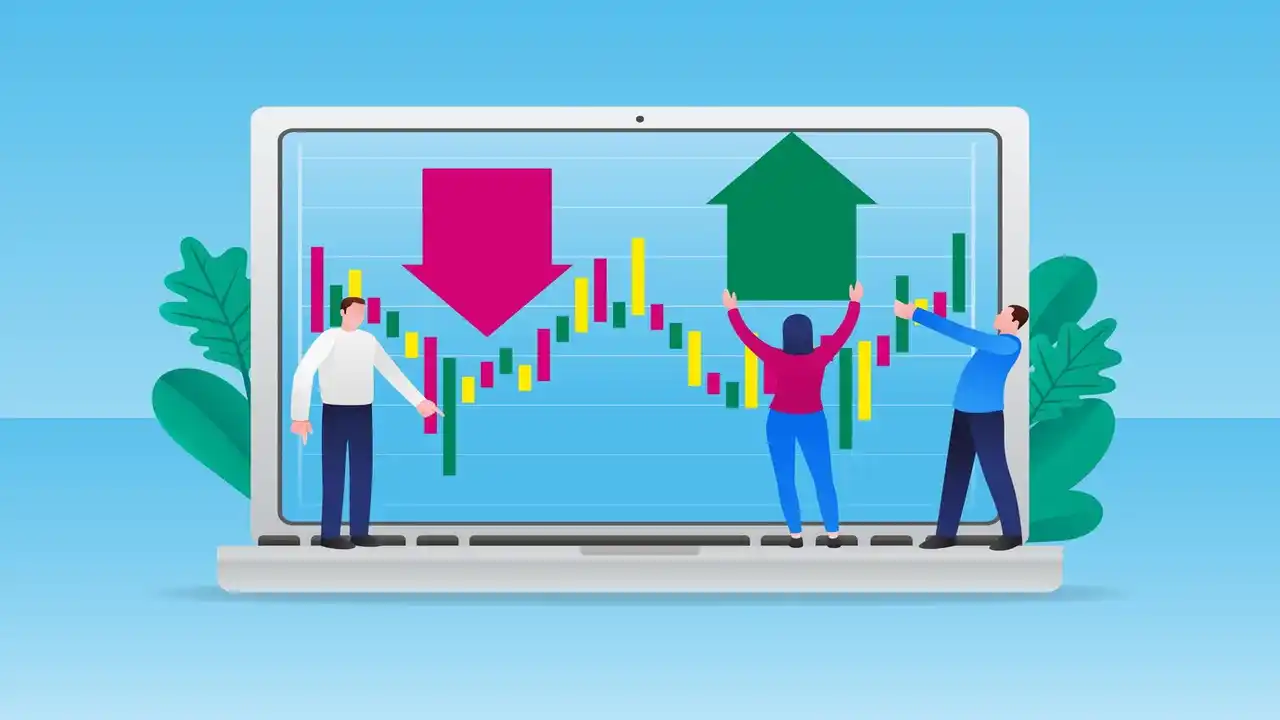
Due to the inherent volatility and unpredictability of stock markets, investing in stocks is not without its risks. Values of stocks can change a lot in the span of a day. Investing is often jeopardized because these trends are notoriously hard to predict.It may take the market a while to bounce back from a catastrophe, even though a major failure is quite improbable.
Accountability to Stockholders
What the owners want out of their money might not align with your own goals while you’re running a business. Public companies are subject to a plethora of extra government regulations and generally accepted standards of corporate governance in addition to the transparency mandate. Among these is the need that they provide commentary on current events.
Risk
You run the risk of seeing your investment evaporate.A stock price drop occurs when investors sell their interests in a corporation. If the business is having trouble, this will happen. Your initial investment will almost certainly be wiped out when you sell. You may wish to think about buying bonds if the initial investment was too big to lose.There is a high degree of uncertainty and risk involved with investing in the stock market. An owner runs the risk of losing everything in a bad market. When to invest in stocks is a tough question. Consequently, exercise tremendous care when investing.
Fees Could Trim Earnings
The investor must compensate the broker with a portion of the transaction price whenever the investor purchases or sells shares. Brokerage fees are what this amounts to. This can make it harder for businesses to turn a profit. You need to be patient and stick with the stock market for a long time if you want to make the most money. This remains valid notwithstanding the fact that the stock market is not without its flaws.
Thrilling Emotional Ride
Price changes happen second by second on the stock exchange. When people are greedy, they buy high and sell low. When people are afraid, they don’t sell as much. Checking in on stock prices on a regular basis is preferable than constantly watching them; there’s no need to do the former. Because of their avarice, investors who study stock market movements often purchase equities at inflated prices with the expectation that their value would further increase. They are already losing money by selling at a low price, and they’re afraid the price will keep falling. Quite a few price differences are noticeable. The disadvantages of stocks include market volatility, which can lead to price fluctuations.
FAQ
First Time Stock Investor? what are the Steps?
You need to create a brokerage account with a bank that gives you access to the market before you can invest in stocks. A brokerage account can be opened in the same way as a bank account. The next step is to determine how much money to put into each stock and which ones to buy.Notably absent are
People Buy in Stocks for what Reasons?
Your investment returns can be better if you include stocks. Diversifying your stock portfolio can help you save money, protect your wealth from taxation and inflation, and maximize your investment returns. Investors must possess a good understanding of the risks associated with stock market investing.
What is the Best Way to Make Money with Penny Stocks?
Stocks that often sell for $5 or less each share are known as “penny stocks” on the stock market.111 They are still on the little side, but they have big dreams of becoming much bigger companies. The expansion could end up being profitable for them. Conversely, the business might not grow at all or perhaps collapse. Disadvantages of stocks carry the risk of market downturns, impacting the value of investments.
Final Words
We could go on and on about the hazards of trading stocks, but it’s clear that they pale in contrast to the rewards that could be yours. Rethink your spending plan if any of these reasons were a deciding factor. Thank you for reading. To continue expanding your knowledge, we encourage you to explore our website for additional resources.