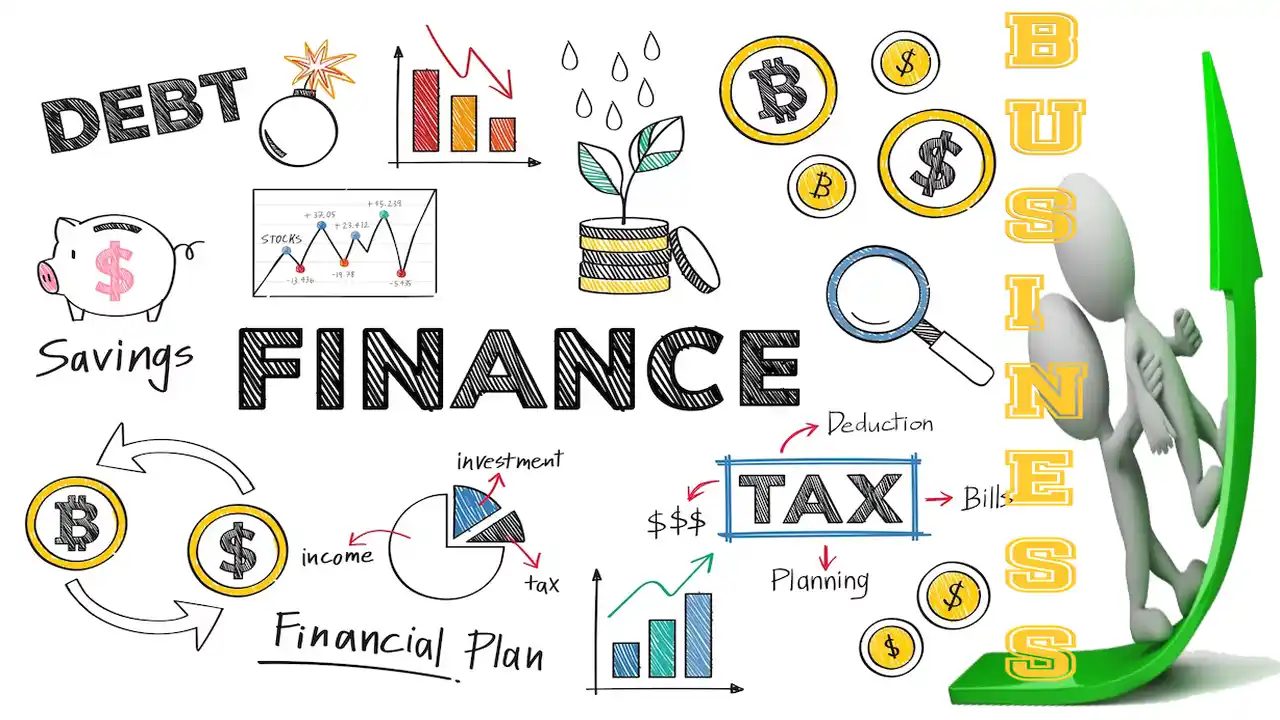
Investors can put their money into a wide variety of assets, including stocks, bonds, property, commodities, and alternative investments. What kinds of investments are available to investors depends on their risk tolerance, their investing goals, and how long they are willing to hold their money in an investment. A lot of things in trading might rely on each other. In order to accomplish their goals, investors might have to find a middle ground between these factors. Investors seeking growth should consider risk management and diversification to shield their portfolio from market volatility. We’ll look at the functions of investment and talk about the related topics in this area.
A great way to make money and be financially secure is to invest. Before adopting investment methods to achieve their goals, investors must grasp the various purposes of investing. Investment outcomes are susceptible to macroeconomic trends, micropolitical events, and technological innovations. To get the most out of their money while minimizing risk, investors need to keep themselves informed and adjust their investing strategy as needed. Read this guide from a blog post to learn about the best practices for addressing characteristics of investment topic.
Functions of Investment
The success or failure of an investment depends on a number of things, such as the investor’s risk tolerance, their financial objectives, global political events, and market circumstances. Investors need to keep an eye on their investing plans and make adjustments as necessary to ensure they reach their objectives. Take a look at these functions of investment to expand your knowledge.
Managing Risks
Risk management aims to reduce the impact of negative outcomes in investment. It involves recognizing potential threats, assessing their severity, and removing as many as possible. Investors in stocks can diversify holdings or use stop-loss orders to limit losses.
Protect your Assets against Inflation
The “inflation hedge” investment function safeguards an investor’s buying power from inflation. Investing in commodities or real estate can also serve as a hedging strategy against inflation. This approach may mitigate the impact on an individual’s purchasing power.
Assets’ Availability
An investment’s liquidity is its capacity to quickly and easily convert its value into cash for the owner. For instance, if an investor has shares in a company that trades often, they can easily sell them whenever they choose.
Efficient Taxation
Investing with the intention of minimizing taxes paid on investment income is one way to achieve tax efficiency. For instance, the interest earned from investments in local bonds that are exempt from federal taxation will not incur any tax liability for the investor.
Growth
When you invest, you’re aiming to raise your cash through the purchase of high-growth assets, including shares in companies with strong growth prospects or stakes in untapped areas. Invest in goods with a growth potential if you wish for your wealth to increase. For instance, a tech stock investor may be able to build their wealth by putting it into companies with strong growth prospects in the tech sector.
Saving for Retirement
The goal of retirement planning is to ensure that the investor has a steady flow of income throughout their golden years. Anyone who puts money into a retirement account like a 401(k) or an IRA does so with the hope of receiving a lump sum payment when they reach retirement age.
Embracing Diversity
In order to spread out potential losses, investors practice diversification by spreading their money around among different asset classes, businesses, and even countries. To make your portfolio more resilient to market changes, it is recommended that you spread it out. To lessen the blow of market swings, traders spread their money around among different investments including stocks, bonds, real estate, and commodities.
Transfers of Wealth
“Estate planning” aims to minimize tax liability while transferring wealth to future generations. Establishing a trust or purchasing life insurance can help individuals pass on wealth to heirs without incurring estate taxes.
Allocation of Strategic Assets
Depending on your risk tolerance and investment goals, strategic asset allocation can help you distribute your money among different asset classes. This allows you, the investor, to determine your own investing objectives. Investors who want to achieve their long-term investing goals must ensure that they have a well-balanced portfolio that includes cash, bonds, equities, and other assets. Strategic asset allocation is the name given to this practice. For instance, a moderately risk-tolerant investor would allocate 60% of their capital to stocks, 30% to bonds, and 10% to cash.
Preserving Investments
The goal of the investing function known as “capital preservation” is to safeguard the investor’s funds from possible losses. Investors in bonds and other fixed-income securities may want to park their capital in safe, low-risk investments.
Investing with a Purpose
You might try as an investor to make sure your money reflects your values on social and environmental issues. Socially responsible investing is abbreviated as SRI. One way for an SRI to accomplish their goals is to put their money into businesses that are fighting for causes like social justice or environmental preservation.
Appreciation of Capital
An item’s value grows with time, a phenomenon known as capital appreciation. One of the most important aspects of running a business is increasing your capital. An investor’s hope is that the value of their stock will increase as time goes on. What this implies is that they stand to gain from the eventual sale of these stocks.
Making money is one of the many reasons people invest. A steady stream of money could come from dividends, interest, or rental revenue. For instance, when someone buys a piece of rental property, they want to earn money from tenants.
Protecting your Wealth
To keep one’s wealth from eroding as a result of things like inflation, taxes, or other occurrences is the goal of wealth preservation. One strategy to protect one’s wealth from inflation is to invest in precious metals like gold. Also,
understanding the functions of investment is crucial for effective financial planning.
Rotation of Sectors
The goal of investment is to make money depending on how well different parts of the business do their jobs. In the long run, investments can change whole markets. “Sector rotation,” the practice of moving assets from one industry to another, changes throughout the course of a company’s life cycle. For instance, during economic downturns, investors who move their money from tech businesses to consumer staples may find better returns by taking defensive positions.
FAQ
Where do i Even Begin when it Comes to Investing?
Before beginning to invest, consider your financial goals, risk tolerance, and desired destinations for your money. Open an account with a brokerage to start investing and choose investments aligned with your goals. Regularly assess and adjust your approach to stay on track with your investment objectives. In order to maximize your returns on investment, it is advisable to engage a financial advisor.
What is the Difference between Stocks and Bonds?
Buying stocks, a kind of ownership in a corporation, allows an investor to partake in the firm’s gains and losses. An investment in bonds, a type of financial asset, can offer a steady stream of income to the buyer for a fixed amount of time. The potential return on investment (ROI) in stocks is larger than that of bonds, but the risk is also higher.
Inflation how does it Affect Investment Returns?
The buying power of money and the actual worth of investment returns are both diminished over time due to inflation. Investors should factor in inflation when estimating their investment returns. Their investing portfolio should aim to outperform inflation.
Final Words
Proper investing requires knowledge of and experience with the intricate financial markets. For this reason, investors who want to maximize their assets and make smart investment selections should seek the advice of financial advisors or portfolio managers. Investors have a better chance of reaching their long-term financial objectives if they have a firm grasp of how investments work. To summarize, the topic of functions of investment is vital for creating a fair and equitable society.